In this guide. Now reading: 1/8 · The order that works
TikTok is one of the few places where a brand-new account with zero followers can still reach strangers. It can also eat months of your time and money if you start in the wrong place.
There are five ways in. Here's what each one costs, what it's good for, and the order that wastes the least.
The order that works
- 1. Your own posts: free, and they teach you which topic and first line work.
- 2. UGC creators: real people filming your app, once you know what to ask them for.
- 3. Spark Ads: money behind the posts that already did well on their own.
- 4. Creators posting on their own accounts: their followers, your app.
- 5. TikTok ads: last, when you know your numbers.
Each step makes the next one cheaper. A creator brief built on a hook that already worked beats a guess, and an ad built on a winning post beats a fresh one.
1. Your own posts (free)
Start here, on a free TikTok Business account in your app's name. Three kinds of posts cover what people watch, save and share:
- Short screen clips: your app doing its one job, fast, in 8 to 15 seconds.
- List slideshows: your app as one item in a list people save. See 20 slideshow ideas for apps.
- Memes: a moment your users know, with your app as the punchline.
Post often, but only as often as you can keep up. Buffer looked at 11.4 million TikTok posts: accounts posting 2 to 5 times a week got 17% more views per post than when they posted once a week. The full plan is in how to promote an app on TikTok for free.
2. UGC creators
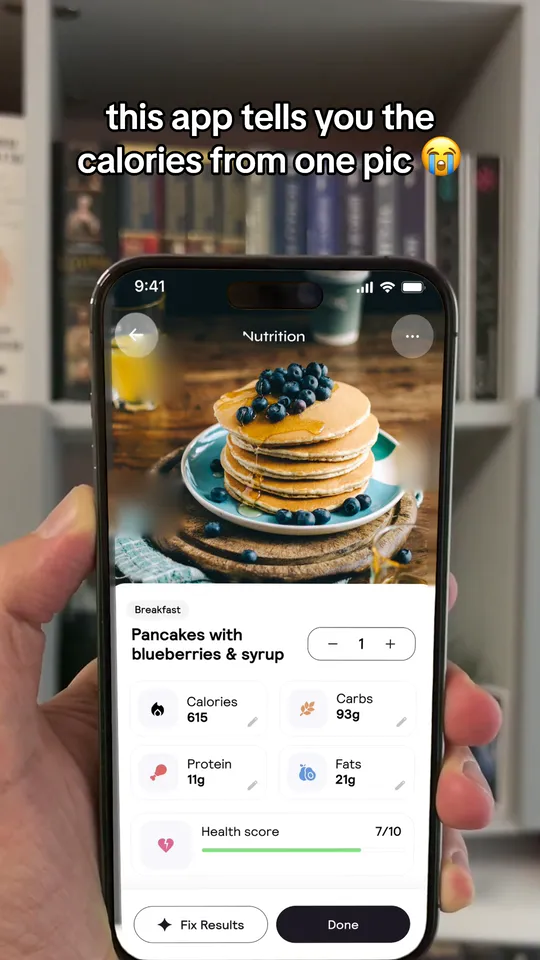
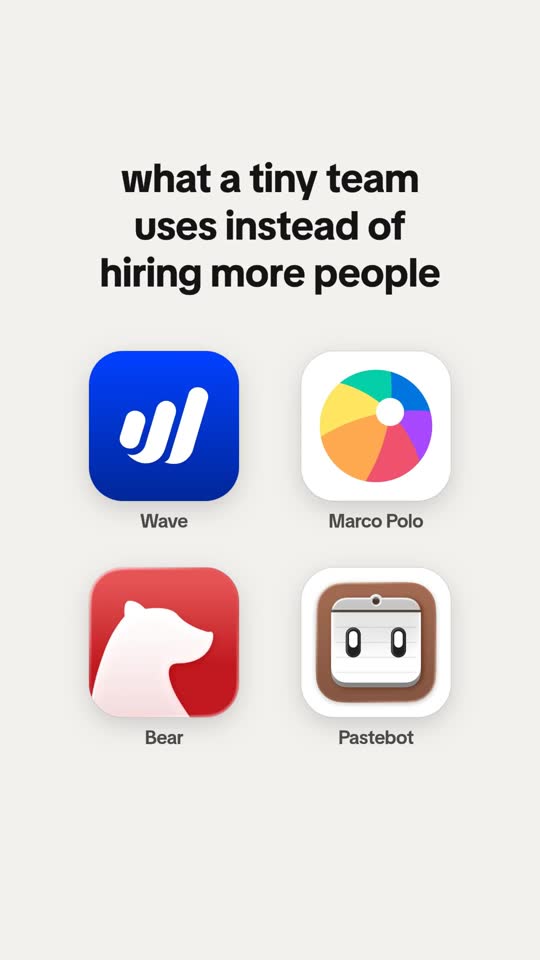
UGC means real people filming short videos about your app, which you post or run as ads. On Collabstr, the average UGC deal last year was $154 for a video.
You can pay far less per video. Pay for an hour of filming instead, and film first lines and bodies apart, then mix them. Our UGC guide has the maths, 4 templates and the brief.
3. Spark Ads: boost what already works
Spark Ads run a real TikTok post as an ad, with its real likes and comments. The creator turns on ad use for the post and sends you a code. Only boost a post that already did well on its own: you're paying to show a winner to more people, not hoping a new post wins.
4. Creators posting on their own accounts
Here a creator posts about your app to their own followers. Pick creators whose viewers are your users, not the biggest names. Ask them to mark the post as paid, as TikTok's rules ask, and give them your best first lines from step 1.
5. TikTok ads
Ads come last. You pay for every view, so they only make sense once you know what a sign-up is worth to you and which post brings them. Start with the posts that won steps 1 to 3.
How to tell what's working
Big view counts can fool you. Cluely's founder wrote that one 49-million-view video brought fewer than 100 downloads. Kapwing shared that a Reel with over a million views brought 130 followers and 290 link taps.
- Count saves and shares: they show people want it again.
- Count profile visits and link taps: they show interest in the app.
- Count sign-ups: the only number that pays. Ask new users where they found you.
Your first 30 days
Step 1: Day 1: set up
A Business account in your app's name, your link in the bio, and five short screen clips of your app.
Step 2: Weeks 1 and 2: post
4 to 7 posts a week, mixing screen clips, list slideshows and memes.
Step 3: Week 3: keep what got saved
Make more posts in the shape and topic that got saves, shares and sign-ups. Drop the rest.
Step 4: Week 4: brief a creator
Give one creator your best first lines and the template that won.
Step 5: After that: boost the winner
Put a small budget behind your best post with Spark Ads, and compare sign-ups, not views.